한뉴픽
Buying Into Beliefs: Meaning Out (No. 175 of 2025)

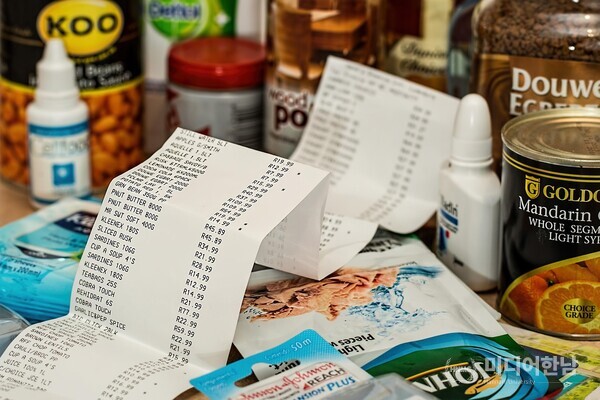
Meaning Out consumption, which actively expresses personal ethical beliefs and social values, is becoming established. Meaning Out is a portmanteau of “Meaning” and “Coming Out.” This phenomenon, where consumers express their beliefs and values through purchasing decisions rather than focusing solely on a product's functionality or price, has become a trend. Whereas consumers once pursued cost performance (price-to-performance ratio) or psychological satisfaction (price-to-psychological satisfaction ratio), an era has arrived where people are willing to pay higher prices for the social and environmental values embedded in products. This shift is being led by Millennials and Gen Z, who have emerged as the primary consumer group with purchasing power.
This consumption pattern manifests in two directions. First, buycotting—the proactive act of purchasing and supporting products from conscientious companies. They are willing to pay a premium for items using eco-friendly packaging, animal welfare-certified products, or goods made by social enterprises. Second, boycotting—the resolute act of refusing to buy from unethical companies or controversial products. They swiftly share and amplify information about corporate misconduct via social media, applying pressure through refusal to purchase. This can be interpreted as meaning that consumers in their 20s demonstrate relatively high experience and intent when purchasing environmentally friendly or animal welfare products.
Whereas Corporate Social Responsibility(CSR) activities were once selective measures to improve corporate image, ESG management has now become an essential business strategy for corporate survival. Consumers now scrutinize not only a company's financial health, but also the transparency of its production processes, working conditions, and efforts to prevent environmental pollution. With growing awareness of the climate crisis, the importance of green consumption is being emphasized. According to 2021 statistics from the Ministry of the Environment, the market sales of environmentally certified products have nearly doubled over the past decade, clearly demonstrating consumers' interest in products that minimize environmental impact. The success of vegan cosmetics and clothing made from recycled plastic is proof that consumers prioritize environmental protection over price.
Amid prolonged high prices and economic downturn, consumers continue to choose products from expensive yet conscientious companies because of the emotional satisfaction they provide. According to a 2018 LG Business Research report, one reason ethical consumption increases during recessions is that modern people express their tendency to pursue meaning in the realm of consumption. Through ethical consumption, consumers fulfill emotional satisfaction derived from altruistic acts. They also achieve self-actualization by demonstrating their values to others.
Meaning-out is a powerful ethical question modern consumers pose to businesses and society, and a will to create a better world. Meaningful consumption—choosing products from companies that practice environmental protection, support the socially disadvantaged, and ensure transparent production processes, even at higher prices—has already become established in our society. In this era of meaning-out, companies must build trust with consumers through sincere ESG management. Consumers must recognize their own social influence and continue making active choices. As meaning-out consumption expands, our society will further solidify a virtuous cycle where ethical values generate economic value. Ultimately, today's consumption transcends personal satisfaction to become the most democratic and influential act for realizing social responsibility.
Choi Su Yeong / Reporter
정보관리부서 : 홍보팀
최종 수정일 : 2026-04-06